- raghurajvaghela7777@gmail.com
- 72260 57171 , 95378 36599
- First Floor, Rajasthan Hospital, opp. Gayatri Mandir Road, Indira Nagar, Deesa

EEG & Psychological Care in Deesa
Diagnostic and assessment-focused mental health support that combines neurological evaluation with psychological understanding to assist in accurate diagnosis and treatment planning.
Other Services
Compassionate Psychiatric Care, You Can Trust
Expert, personalized mental health care in a confidential setting.
Understanding EEG & Psychological Care
EEG (Electroencephalogram) and psychological assessments play an important role in understanding brain activity, cognitive functioning, and emotional responses. These evaluations help identify patterns that may not be visible through clinical interaction alone, especially in complex or unclear mental health conditions.
Psychological assessments, when combined with EEG findings, assist in forming a clearer clinical picture. This integrated approach supports accurate diagnosis, helps differentiate overlapping conditions, and guides appropriate psychiatric or psychological intervention.
Accurate Assessment Supports Clarity
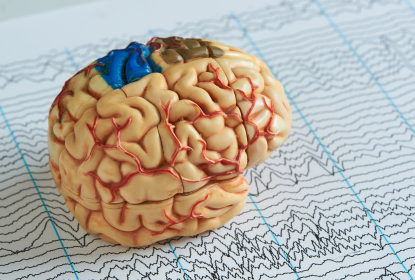

What to Expect
- Detailed clinical history and symptom review
- EEG testing when clinically indicated
- Psychological assessment and evaluation
- Interpretation of findings in a clinical context
- Guidance for further treatment or management planning
Conditions Addressed
- Seizure-related or neurological concerns
- Cognitive and memory-related difficulties
- Diagnostic clarification in complex mental health cases
- Behavioral or emotional concerns requiring assessment
- Monitoring brain activity as part of psychiatric evaluation
Frequently Asked Questions

An EEG records brain activity and helps identify abnormalities that may support neurological or psychiatric evaluation.
No. EEG is a safe, non-invasive procedure that does not cause pain or discomfort.
EEG testing is recommended only when clinically necessary and not as a routine procedure for all patients.
Psychological assessments help evaluate thinking patterns, emotional responses, and behavioral functioning.
They provide objective information that supports accurate diagnosis and informed clinical decision-making.